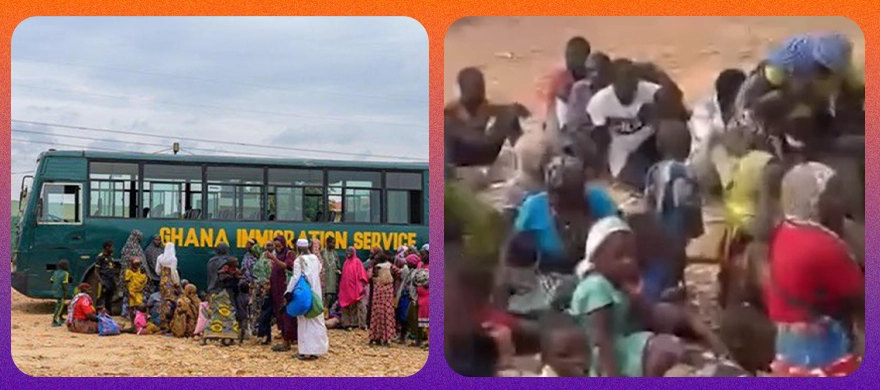
Interior Minister Muntaka Mohammed-Mubarak told the Government Accountability Series at Jubilee House in Accra on 24th August 2026 that the Ghana Immigration Service removed 2,281 migrant beggars and 774 other illegal immigrants linked to transnational organised crime by the end of 2025. Between January and July 2026 the same agency removed another 960 migrant beggars from Accra and Kumasi streets plus 186 other illegal immigrants, bringing the combined total to 4,201.
On 29th and 30th August 2026 the Ghana Immigration Service followed with a fresh intelligence-led operation that apprehended 1,055 persons across Greater Accra and the Ashanti Region. The group comprised 662 children, 248 women and 145 men. Deputy Commissioner Maud Anima Quainoo confirmed the figures in a statement copied to the Ghana News Agency. Officers targeted hotspots including Abossey Okai, Sabon Zongo, Madina, Ashaiman and Tema in Accra, plus Asawase, Alabar, Akwatia Line and Aboabo in Kumasi. The Service said the exercise aimed at organised street-begging networks suspected of exploiting foreign nationals, particularly women and children. Several Ghanaians were also held on suspicion of acting as local agents. Those identified as undocumented are being processed for repatriation.
The Minister framed the broader effort as a response to public concern over street begging and irregular migration. Ghana’s relative stability draws people from neighbouring countries facing security or economic pressure. He stated the removals proceed with regard to the ECOWAS Protocol on Free Movement of Persons and existing diplomatic ties. “The challenge before us is not a lack of political will, security intelligence or leadership. It is, principally, a question of scale,” he said. Logistical support has been earmarked to expand the work and strengthen borders. Some minors removed in earlier phases were placed under protective care.
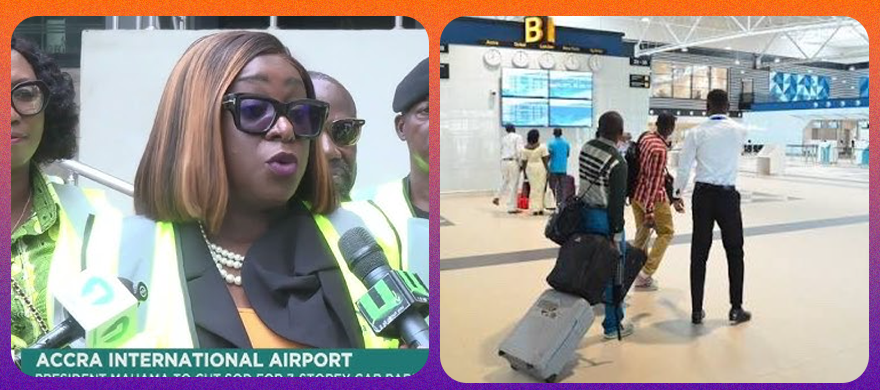
This pattern of repeated large-scale removals matches earlier exercises. In May 2025 the Ghana Immigration Service rounded up 2,241 persons in Accra, the majority Nigerien nationals, and began repatriating them in batches of several hundred. In June 2022 the government worked with the Niger Embassy to send more than 1,300 Nigeriens home after they were found begging under bridges and at traffic lights. Each round reduces the visible numbers for a period. Traders and residents around Circle and other busy intersections have previously reported the same groups reappearing months later, often with children at the forefront.
The latest operation explicitly links street begging to possible trafficking. Comptroller-General Samuel Basintale Amadu urged the public not to give money directly to migrant beggars, especially children, because the cash sustains the networks. Removing the financial incentive is presented as one practical step alongside physical removals and border checks. Only 12 of Ghana’s 48 formal border posts currently carry biometric systems, a gap the Minister highlighted when noting that some deportees attempt re-entry through unapproved routes.
Numbers remain the clearest measure of scale. The 2,281 migrant beggars recorded for the whole of 2025 sit beside the 960 removed in the first seven months of 2026 and the fresh 1,055 taken off the streets in the final days of August 2026. Combined with the 960 other illegal immigrants removed in the same windows, the total exceeds 5,000 individuals processed since the start of 2025. Processing includes profiling, gender and age segregation, meals and medical checks before repatriation flights or road convoys.
Public order on Accra and Kumasi streets is the stated short-term goal. Longer-term success depends on whether the logistical boost the Minister promised materialises and whether coordination with social-protection agencies keeps minors from returning to the same intersections. The Ghana Immigration Service has said the special operations will continue.
Frequently Asked Questions(FAQs)
What is the latest confirmed number of migrant beggars removed in 2026?
The Ghana Immigration Service reported 1,055 migrant beggars removed in the late-August operation across Accra and Kumasi.
Which nationalities dominate the groups?
Earlier 2025 operations listed Nigeriens as the large majority, followed by smaller numbers of Nigerians, Burkinabes, and others. The August 2026 statement referred to West African nationals without a fresh nationality breakdown.
Are children included in the removals?
Yes. The August 2026 operation alone recorded 662 children among the 1,055 persons apprehended. Earlier exercises also included hundreds of minors who were placed under protective care where required.
How does Ghana balance the removals with ECOWAS free-movement rules?
Interior Minister Muntaka Mohammed-Mubarak stated the actions are carried out with full awareness of the Protocol and existing diplomatic relations. Enforcement focuses on irregular status and unlawful activities rather than lawful short-term presence.
What happens after the persons are taken off the streets?
They undergo profiling and security screening at holding centres. Meals and medical attention are provided. Those confirmed as undocumented are processed for repatriation to their countries of origin.
Will the operations continue?
The Minister and the Ghana Immigration Service both indicated that logistical support has been allocated and that further enforcement will follow as part of sustained border and public-order work.