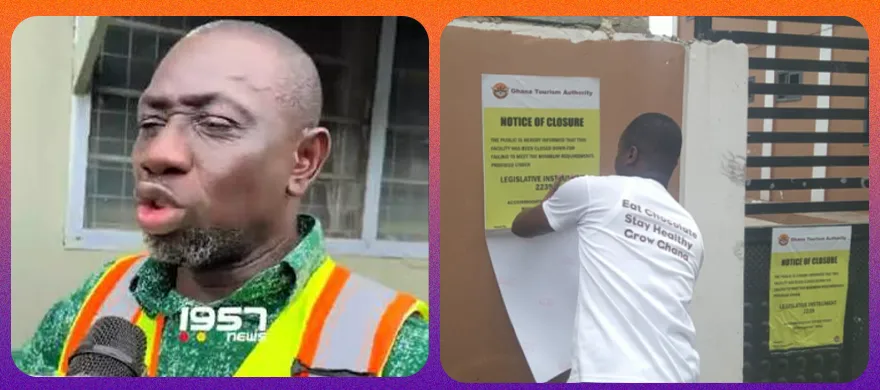
Acting Rent Control Commissioner Frederick Opoku and Eastern Regional Ghana Tourism Authority Director
Jones Haruna Nelson led a joint surprise inspection of private student hostels in Koforidua on or around
August 5, 2026. The exercise, prompted by complaints from Koforidua Technical University students, resulted
in the closure of Serwaa Heights and Adehye3 (Adehyie) Hostel over sanitation failures and licensing
violations.
The closures were carried out under the Accommodation Enterprise Regulations (L.I. 2239) and the
Tourism Act 2011 (Act 817), the legal framework the GTA uses to license and inspect commercial
accommodation nationwide.
What inspectors found
At Serwaa Heights, located near KTU's small gate, inspectors documented poor ventilation, heaps of
uncollected refuse, and general sanitation conditions described as unfit for student occupancy. The facility
was also operating without GTA registration, a requirement under tourism regulations for any commercial
accommodation enterprise.
Adehye3 Hostel, sited behind the main campus, was shut for similar reasons tied to living conditions rather
than paperwork alone.
Students at Serwaa Heights told inspectors they were paying roughly GH¢9,000 a year for single rooms and
GH¢5,000 per head for shared rooms housing three occupants - rates some reports say came with complaints
about missing windows and unreliable water supply.
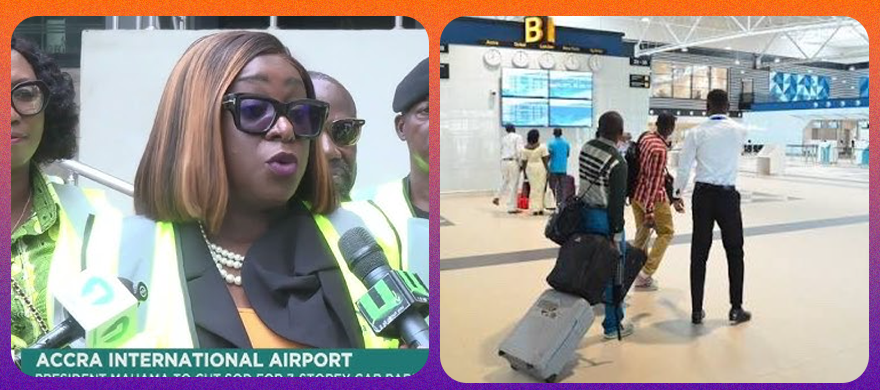
Some accounts from the exercise indicate the inspection sweep also touched up to five hostels in total, including Hallelujah, Nhyira, and Elite, though the two confirmed closures remain Serwaa Heights and Adehye3. What triggered scrutiny at the other three - and whether any face closure - has not been independently confirmed as of August 7, 2026.
Rent Control's role, and what happens to affected students
Rent Control does not have statutory power to shut down a hostel on its own; that authority sits with the
GTA under the Tourism Act. Opoku's office collaborated on the inspection and complaint-gathering side, while
GTA issued the formal closure notices.
Officials have directed affected students to seek refunds from landlords and vacate the closed properties,
with short deadlines reportedly attached to some of those directives. Neither agency has published a public
refund timeline or complaint hotline as of August 7, 2026, which leaves displaced students largely
negotiating directly with landlords for now.
Opoku has signalled this is part of a wider push against unlicensed and substandard student hostels, with
the possibility of similar action beyond Koforidua. No confirmed dates or locations for a nationwide rollout
have been announced.
The caretaker threat that's turned this into a bigger story
A separate development has pulled this story past a routine compliance report. The caretaker at Hallelujah Hostel is alleged to have threatened or "cursed" students suspected of reporting conditions to inspectors after the sweep took place.
That detail - retaliation against tenants for cooperating with a state inspection - is the piece most coverage out of Koforidua has mentioned in passing without following up. If confirmed, it raises a question regulators haven't publicly addressed yet: what protection, if any, exists for student tenants who report landlords to Rent Control or GTA, given neither agency has a stated whistleblower process for hostel
Why this isn't Koforidua's first hostel crackdown
Regulatory action against unlicensed student accommodation around KTU isn't new. GTA carried out closures
of unlicensed hostels in the same area back in 2017, and Rent Control has previously stepped in to freeze
certain fee increases at Koforidua hostels.
What's different this time is the scale of complaint that triggered it and the caretaker retaliation
allegation, which wasn't a feature of the 2017 enforcement round. Whether this cycle ends the same way as
2017 - with hostels reopening under new registration rather than staying shut - is the open question this
story leaves for now.