
The UN Committee on the Elimination of Racial Discrimination (CERD) on 27th August 2026 expressed grave concern over a surge in xenophobia and racist hate crimes against migrants in South Africa since early 2026. The committee cited at least four unlawful killings of migrants and the forced displacement of at least 50,000 people by civilians and organised vigilante groups.
CERD specifically named the March and March movement among civic groups spreading racist hate speech and harmful stereotypes against migrants, refugees and asylum seekers on the internet and social media. The committee said such rhetoric “fosters stigmatisation and intolerance and creates an environment of fear and insecurity for migrants.”
Jacinta Ngobese-Zuma, the former radio presenter who leads March and March, has continued to speak publicly and organise activities. She consistently rejects the xenophobia label, arguing that the movement focuses on illegal immigration, job competition and the protection of South African citizens.
What the UN committee said
In its statement the committee highlighted reports of abductions, looting, destruction of migrants’ property and businesses, unlawful evictions by landlords, and restrictions on access to healthcare and education. It noted that racial discrimination and hate crimes remain underreported because of mistrust of police, fear of reprisals and limited awareness of complaint mechanisms.
CERD welcomed President Cyril Ramaphosa’s 7th June 2026 statement condemning vigilantism, xenophobia and violence against migrants. It still urged stronger action, including measures to prevent the formation of organised racist vigilante groups, to proscribe and dismantle such organisations, and to work with media and social media platforms against hate speech.
The committee also pointed to inadequate investigations, prosecutions and sanctions for alleged abuses by vigilante groups and, in some cases, law enforcement officials.
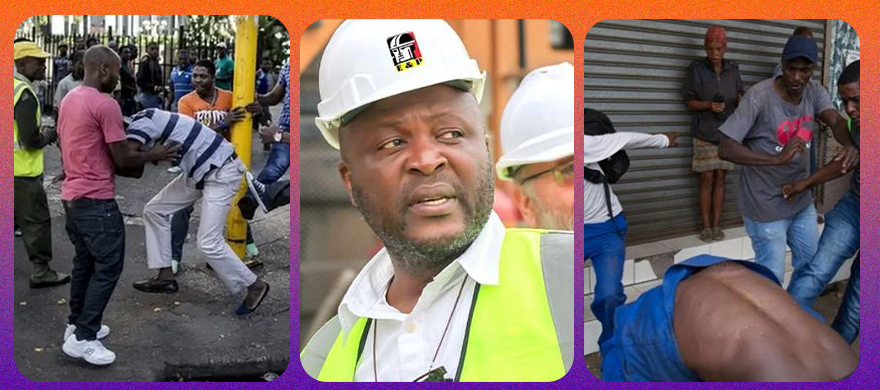
Jacinta’s ongoing position
Ngobese-Zuma has repeatedly stated that March and March is not driven by hatred of foreigners but by frustration over unemployment, overcrowded public services and what she describes as weak immigration enforcement. In public appearances and social media posts she has argued that South Africans are being made “second” in their own country and that the government prioritises the concerns of foreign nationals over citizens.
She has continued to address supporters and media even after the UN statement, maintaining that the campaign is about legality and economic pressure rather than nationality or race. Critics, including human rights groups and some African governments, say the rhetoric has contributed to an atmosphere that enables violence and displacement.
South Africa has experienced repeated waves of anti-migrant violence in 2008, 2015, 2019 and 2022. Each cycle has followed similar triggers: high unemployment, service delivery failures and organised groups framing foreign nationals as the primary cause. The current period has drawn particular attention because of the scale of displacement reported by CERD and the explicit naming of March and March.
For many Ghanaians and other West African nationals living or trading in South Africa, the situation remains a practical concern. Businesses have been looted, people have fled homes, and fear of further action persists in some communities. The UN statement adds international pressure on Pretoria to move from condemnation to concrete enforcement and protection measures.

As of 31st August 2026 the South African government has restated its rejection of xenophobia and vigilantism. President Ramaphosa has told parliament that perpetrators will be dealt with and that arrests have been made. CERD has called for those commitments to be matched by dismantling of organised groups and impartial investigations.
The gap between official statements and the continued public activity of figures such as Jacinta Ngobese-Zuma remains the central tension. The UN has placed the issue firmly on the international human rights agenda. How South African authorities respond in the coming weeks will determine whether the latest wave is contained or escalates further.