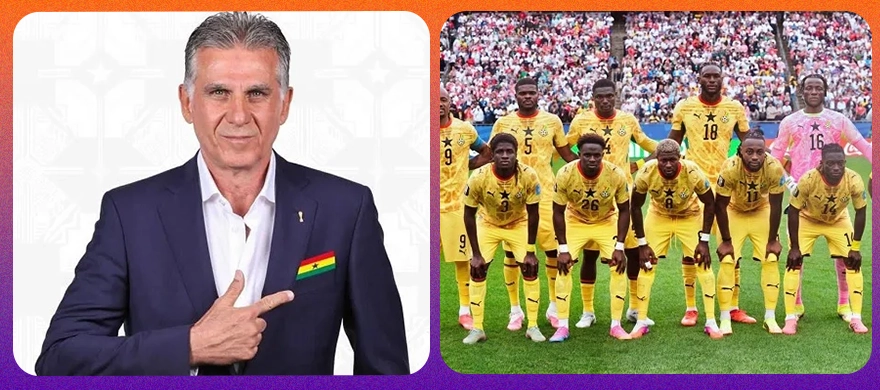
The Black Stars of Ghana's journey at the 2026 FIFA World Cup came to a disappointing end in the Round of
32 with a narrow 1-0 defeat to Colombia on July 4, 2026, at Arrowhead Stadium in Kansas City. Jhon Arias
scored the decisive goal in the 14th minute, and despite a resilient defensive effort highlighted by
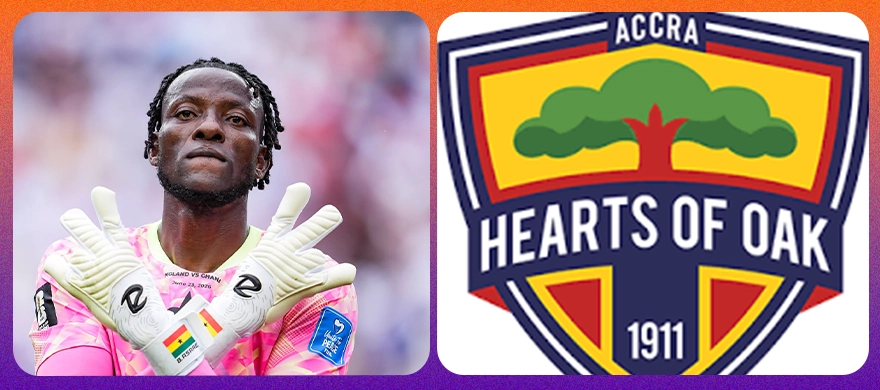
goalkeeper Lawrence Ati-Zigi's heroics, Ghana could not find an equalizer, registering zero shots on target.
This elimination marked the end of a tournament in which the team had shown promise by advancing from a
tough group stage that included England, Croatia, and Panama.
The loss triggered widespread disappointment among fans, players, officials, and legends alike. Ghanaians at
home and in the diaspora expressed fury over the performance, particularly the perceived lack of urgency and
creativity in attack. Social media and the streets of Accra erupted with frustration, with many pointing to
tactical decisions, individual underperformances (notably captain Jordan Ayew's goalless contributions), and
broader systemic issues within Ghanaian football.
Carlos Queiroz Steps Down
The experienced Portuguese tactician, who had taken over the team relatively recently, confirmed his departure shortly after the match. In his parting message, Queiroz emphasized that the future success of the Black Stars must begin off the pitch:
The future of the Black Stars will not be built only on the pitch. Black Stars success must start off the field, by creating the best possible environment to prepare, protect, and develop Ghana's extraordinary football talent.
Queiroz's tenure, though brief, was credited with helping stabilize the team and guiding them through qualification and into the knockout stages. His exit opens the door for the Ghana Football Association (GFA) to appoint a new coach amid calls for fresh leadership that can address tactical rigidity and player motivation. Speculation is already rife about potential successors, with emphasis on someone who can foster better team spirit and long-term development.
Black Stars Players' Reactions after the Elimination
Defender Gideon Mensah, a captain during the tournament, acknowledged the pain of elimination but vowed
that the team would bounce back, urging focus on the upcoming AFCON qualifiers. Mensah saluted the fans'
support and expressed pride in the squad's journey, signaling a commitment to future campaigns.
Midfielder Caleb Yirenkyi issued an emotional statement promising a brighter future, reflecting the squad's
determination to learn from the experience. Other players, including Inaki Williams and Ernest Nuamah, have
since returned home, with footage showing their arrival amid mixed public sentiment.
Asamoah Gyan, Ghana's all-time leading scorer, lambasted the team's lack of intensity against Colombia.
"The
way Ghana played today, I don't like it when we lose and show no urgency. It's frustrating. Show the world
that you want to win," Gyan said on SuperSport. He suggested the side should have maintained the approach
that worked against stronger opponents like England.
Kevin-Prince Boateng attributed the early exit partly to a lack of team spirit. All in all, the reactions
from former Black Stars players highlight ongoing debates about mentality, leadership on the field
(especially Jordan Ayew's role), and the need for tactical consistency.
Videos captured supporters scattering in disappointment after the Colombia match, with many expressing livid
frustration over what they saw as a below-average display despite reaching the knockouts. Influencers and
analysts, including Kwadwo Sheldon, criticized the GFA's response as overly complacent, arguing that
advancing from the group stage in an expanded tournament should be a baseline, not a ceiling.
Performance Analysis
To understand the elimination, it's worth recapping Ghana's path. They secured qualification for the 2026
World Cup earlier and advanced from Group L with a gritty 1-0 win over Panama, a hard-fought 0-0 draw
against England, and a 2-1 loss to Croatia. Reaching the Round of 32 was an achievement given the
competition, but the knockout performance against a superior Colombian side exposed limitations in attacking
transitions and sustained pressure.
Ati-Zigi's saves prevented a heavier defeat, earning praise from celebrities like Stonebwoy. However, issues
such as Jordan Ayew's limited impact up front and questions over squad selection drew heavy scrutiny.
Off-field distractions, including fan rivalries, reportedly added pressure.
AFCON Qualifiers and Reforms
Attention now shifts to the September 2026 AFCON qualifiers against teams like Gambia, Somalia, and Ivory
Coast. Players and officials have stressed the need for unity and rebuilding. Queiroz's departure
underscores the call for structural reforms—better talent development pathways, improved player welfare, and
a more professional environment around the national team.
GFA President Kurt Okraku's earlier comments praising the group stage exit faced backlash for perceived
mediocrity, fueling demands for accountability. Many fans and analysts insist that Ghana, with its rich
football exports, should aim higher than Round-of-16 appearances.
Players like Antoine Semenyo showed flashes of potential, suggesting a foundation for the future if properly
nurtured. Interest in players like Gideon Mensah from European clubs could also bolster the squad's quality.
The days following the Colombia defeat have been marked by resignation (Queiroz), reflection (players and
legends), and renewed calls for reform. As the Black Stars regroup for the AFCON qualifiers, the focus will
be on building a squad with the mentality, tactics, and support system needed to compete at the highest
level. Ghana's football future hinges not just on individual brilliance but on systemic improvements -
exactly as Queiroz highlighted in his farewell.