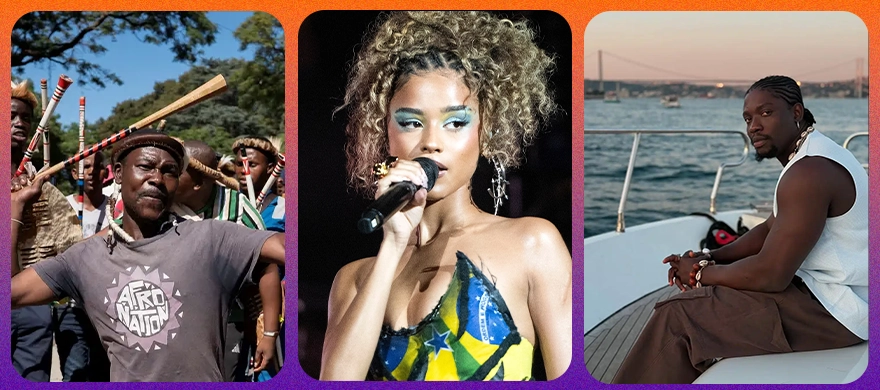
Tyla's December 22 Lagos show is facing a growing boycott campaign in Nigeria, with commentators, a former minister and at least one activist-turned-agitator calling for the concert to be shut down entirely. The backlash isn't about her music - it's about renewed xenophobic violence against Nigerians in South Africa, and Tyla's silence on it.
The trigger point is the reported death of Nigerian national Chika Ibe in Cape Town, layered on top of ongoing attacks, looted businesses and visa frustrations Nigerian entertainers say they face trying to work in South Africa. As of July 30, 2026, Tyla and her team have not issued any public statement addressing either the violence or the boycott calls directed at her show.
Who's calling for the boycott
Author and commentator Solomon Buchi said the show "must not happen" and criticised Tyla for not even offering performative solidarity. BBNaija alum Pere Egbi and broadcaster Do2dtun went further, publicly asking Nigeria's Immigration Service to deny Tyla and her team entry visas altogether.
The loudest voice is VeryDarkMan (Martins Vincent Otse), who posted a video telling organisers the concert "is not happening" and threatening to physically disrupt it if it proceeds - tying his objection to both the xenophobic attacks and the Chidinma Adetshina saga. Former Youth and Sports Minister Solomon Dalung added that public figures are judged by what they refuse to say, and Tyla's silence has left many Africans feeling abandoned.
Who's defending her
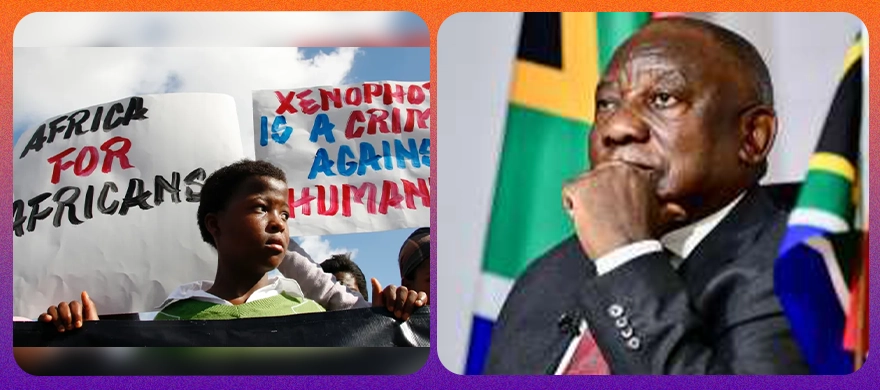
Not every prominent Nigerian voice agrees. Activist and 2027 presidential candidate Omoyele Sowore rejected the idea of holding Tyla "vicariously liable" for xenophobia, arguing the anger belongs with governments - naming both President Tinubu's administration and Cyril Ramaphosa's - not with an artist who didn't create the policy failures. Former Senator Shehu Sani made a similar point, urging Nigerians to let her perform in peace since she isn't personally xenophobic.
Lagos law firm DACO LP Africa went as far as issuing a formal statement backing Tyla's right to perform and earn a living, arguing collective guilt by nationality isn't fair without evidence she's personally involved in the violence.
Claims that the Lagos date has already been quietly pulled from the tour listing are circulating on social media but remain unverified - the show is still listed as scheduled at the time of writing, with the venue still TBA.
Why this matters beyond Nigeria
This isn't just a Nigeria-South Africa spat - it's a preview of a fault line Ghana knows well. Ghana lived its own version of this in 1969 and again in 1983, when trader tensions and mass expulsions strained relations with Nigeria long before "xenophobia" was the word anyone used. GUTA's periodic clashes with Nigerian traders in Ghana's markets are the same argument in a different costume: who gets blamed when a whole nationality is treated as one bloc.
It also lands awkwardly in the middle of the amapiano-Afrobeats crossover era, where South African and Ghanaian-Nigerian artists have spent three years collaborating, touring together and splitting festival bills. If a single artist can be made to answer for her government's failures on immigration enforcement, every West African promoter booking South African talent - and every South African promoter booking West African acts - has to start asking the same question before signing a contract.
The unresolved piece nobody's addressing yet: is the demand actually for Tyla to speak, or for South African artists generally to stop working in Nigeria until the violence stops? Those are two very different asks, and the campaign hasn't picked one.