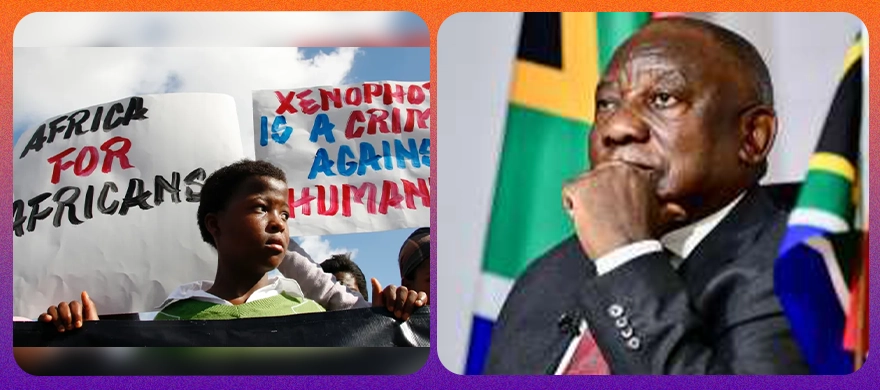
Ghana has put a scheduled visit by South African President Cyril Ramaphosa on hold, and the reason behind
the delay has reopened one of the most sensitive conversations in West and Southern African relations: how
African nations treat each other's citizens.
The visit, originally expected in the first week of August, was meant to bring the two presidents together
for the third session of the Ghana-South Africa Bi-National Commission - a standing framework the two
countries use to coordinate on trade, investment, and diplomatic cooperation. Government spokesperson Felix
Kwakye Ofosu described the postponement as a practical step to manage tensions, saying Ghana communicated
that it would be best to defer the visit given the current climate around xenophobia.
“We are not rejecting dialogue, but we cannot ignore the current challenges,” a senior source familiar with the decision told local reporters. Accra has called on Pretoria to implement concrete measures to protect foreigners before high-level engagements resume.”
What Triggered the Emergency Diplomatic Move
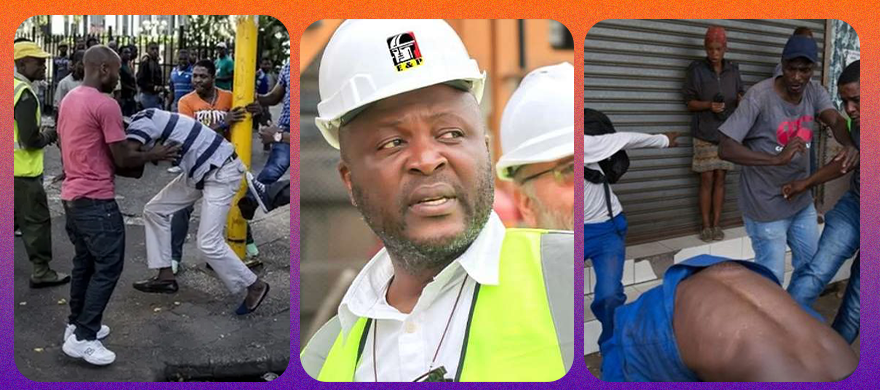
At the centre of this is the death of a Ghanaian national during a wave of anti-immigrant demonstrations in
South Africa on June 30. Ghana's government says the victim was 40-year-old Bashiru Isak, a fashion designer
allegedly shot dead in Khayelitsha, Cape Town, during protests it has described as senseless xenophobic
brutality.
Here's where it gets complicated, and where honest reporting matters: South Africa disputes this account
entirely. The South African Police Service says it has no record of any incident in Khayelitsha and instead
identifies the victim as 35-year-old Kwabena Boagen, killed in a separate shooting in Nyanga that police
attribute to extortion rather than xenophobic violence. South Africa's justice minister has gone further,
accusing Ghana of spreading false information about developments on irregular migration.
That contradiction hasn't been resolved, and it's now arguably the real story: two governments with sharply
different official versions of the same tragedy, and no independent, verified account bridging the gap yet.
Postponed, Not Rejected
Several Ghanaian outlets initially reported that Ghana had rejected or declined Ramaphosa's visit outright.
South Africa pushed back hard on that characterization. Presidential spokesperson Vincent Magwenya told Citi
FM that the engagement was tied to the Binational Commission rather than a standalone state visit, and that
the visit has been postponed rather than rejected, with both governments still expected to agree on a new
date.
South Africa has also flagged its own frustration with how Accra has handled the messaging. Magwenya said
there is no factual basis to suggest Ghanaian nationals have been disproportionately targeted in the recent
wave of anti-migration protests, and noted South Africa's discomfort with unverified public statements from
Ghana's High Commissioner as well as what it called escalating anti-South African rhetoric from Ghana's
foreign minister.
Cooling Tempers, Not Cutting Ties
Despite the friction, both governments are keeping the door open. Kwakye Ofosu reiterated that Ghana continues to hold South Africa and its people in high esteem and remains willing to maintain a relationship that benefits both countries. South Africa echoed that sentiment, with Magwenya stating that Pretoria remains committed to strategic cooperation with Ghana across political, economic, defence, security and social sectors, calling deepened cooperation vital to the broader African Agenda.

Why This Matters Beyond the Headlines
This isn't just a diplomatic dispute - it's a test case for how African governments hold each other accountable on migrant safety, and how quickly unverified information can escalate into a full-blown diplomatic incident. Until an independent, transparent investigation clarifies exactly what happened to which Ghanaian national, this story will likely keep generating more heat than light. Both sides have signalled a new date for the Bi-National Commission is still on the table - Filladey will update this piece as that develops.
This report is based on statements from Ghana's Ministry of Foreign Affairs, the South African Presidency, and reporting from GBC Ghana, Adom Online, and Sahara Reporters as of July 11, 2026. This is a fast-moving story; details may change as both governments release further information. Stay tuned for more Updates to this story.