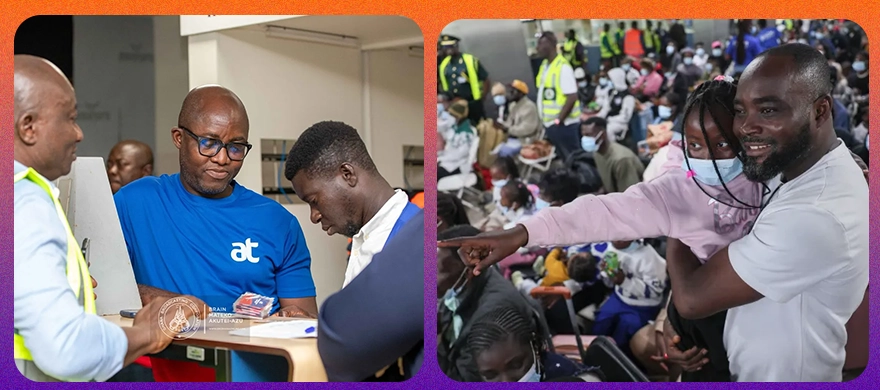
In late May and early June 2026, hundreds of Ghanaians returned home from South Africa amid rising xenophobic tensions and anti-foreigner violence. Voluntary repatriation flights brought back the first batch of nearly 300 people on May 27, followed by subsequent groups, with totals approaching or exceeding 800 registered returnees. Many had lived in South Africa for years, running businesses, working, or supporting families, only to face harassment, threats, job losses, and violence that forced them to leave everything behind.
Upon arrival at Kotoka International Airport in Accra, the Ghanaian government and private partners rolled
out immediate support. This included a special package with financial grants, transportation aid,
reintegration allowances, and psychosocial services. One notable gesture came from AT (formerly
AirtelTigo), Ghana’s fully Ghanaian-owned telecom, which distributed free, fully registered SIM cards
preloaded with airtime and data. This allowed returnees to instantly reconnect with family, access
government support, and begin navigating life back home.
While these interventions provide a critical first step, the real test lies in long-term reintegration.
The Emotional Trauma of Returning
Many returnees left South Africa with little more than their
clothes and documents. Businesses built over years were abandoned or destroyed. Families were separated, and
the psychological toll of constant fear and sudden displacement has taken a heavy toll on them emotionally.
Government officials, including Foreign Minister Samuel Okudzeto Ablakwa, have emphasized psychosocial
support and counseling to address this trauma.
Returnees often describe the emotional rollercoaster: relief at being safe in Ghana mixed with anxiety about
starting over in a job market already strained by high youth unemployment.
Economic and Practical Hurdles
- Housing and Basic Needs: Many returnees need immediate shelter, food, and transport to hometowns outside Accra. The government’s reintegration allowance aims to cover initial subsistence, but reports suggest it may not stretch far for those with dependents.
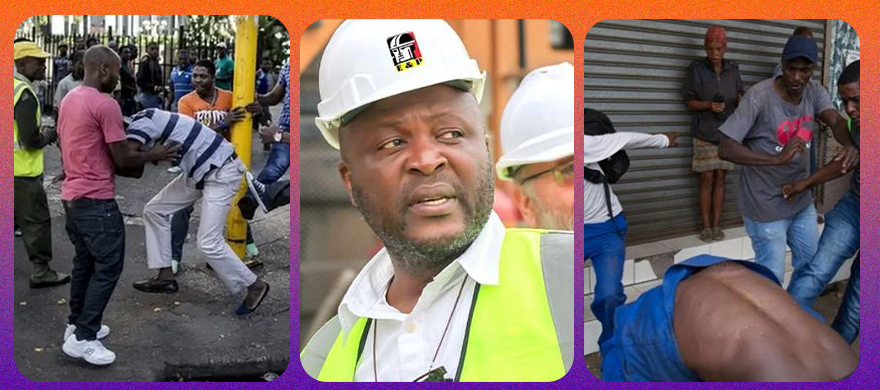
- Employment: The government and private sector (including companies like Engineers & Planners) have pledged jobs for some returnees. However, this has sparked backlash from locals facing their own unemployment struggles, with critics questioning prioritization amid Ghana’s broader job crisis.
- Skills and Business Restart: Many returnees were entrepreneurs in South Africa (salons, shops, trading). Replicating that success in Ghana requires capital, permits, and market access — areas where the one-time grants may fall short without sustained programs like microfinance or business training.
- Documentation and Bureaucracy: Some returnees, especially those who were undocumented in South Africa, face challenges proving eligibility for full support or reinstating local services.
Government and Corporate Support
The support package includes:
- Welcome Home Financial Package (one-time grant)
- Reintegration allowances
- Psychosocial and medical care
- Efforts to link returnees with job opportunities
AirtelTigo’s initiative shows the many ways corporate social responsibility is playing a role in society. Other companies have also stepped up, showing how supportive Ghanaians can be.
Looking Ahead: Sustainable Reintegration
With expectations of more returnees and around 14,000 Ghanaians still in South Africa, the government must
scale support.
For them to successfully live in Ghana:
- Monitoring and follow-up programs
- Partnerships for skills training
- Addressing local tensions around resource allocation
Returnees’ stories highlight the struggle they faced during the xenophobic attacks and how they were able to survive. Many express gratitude for being home but stress the need for streamlined process to be able to live in Ghana since most of them have lived most of their lives in South Africa.
Reactions Online
Smart business plan, kudos to the marketing department for such an innovative approach
Don Bill Cosby on FacebookYeah, even if MTN is delivering with perfection, until it's handed over to an indigen, we all have to migrate to grow our own network... Ghanaians, let's understand this...
Desmond Anto Yaw